
Trézor.io/Start — Starting Up™ Your Device | Trezor®
Trezor.io/start helps users begin their Trezor wallet setup, connect compatible hardware, access Trezor Suite, manage accounts, and follow essential security practices.
Trezor.io/start: A Practical Guide to Trezor Wallet Setup and Security
Setting up a hardware wallet is an important step for anyone who wants greater control over cryptocurrency security. Unlike a conventional software wallet, a Trezor hardware wallet is designed to keep sensitive wallet information protected through a dedicated physical device. The setup process also introduces users to Trezor Suite, the software interface used to connect with and manage a Trezor device.
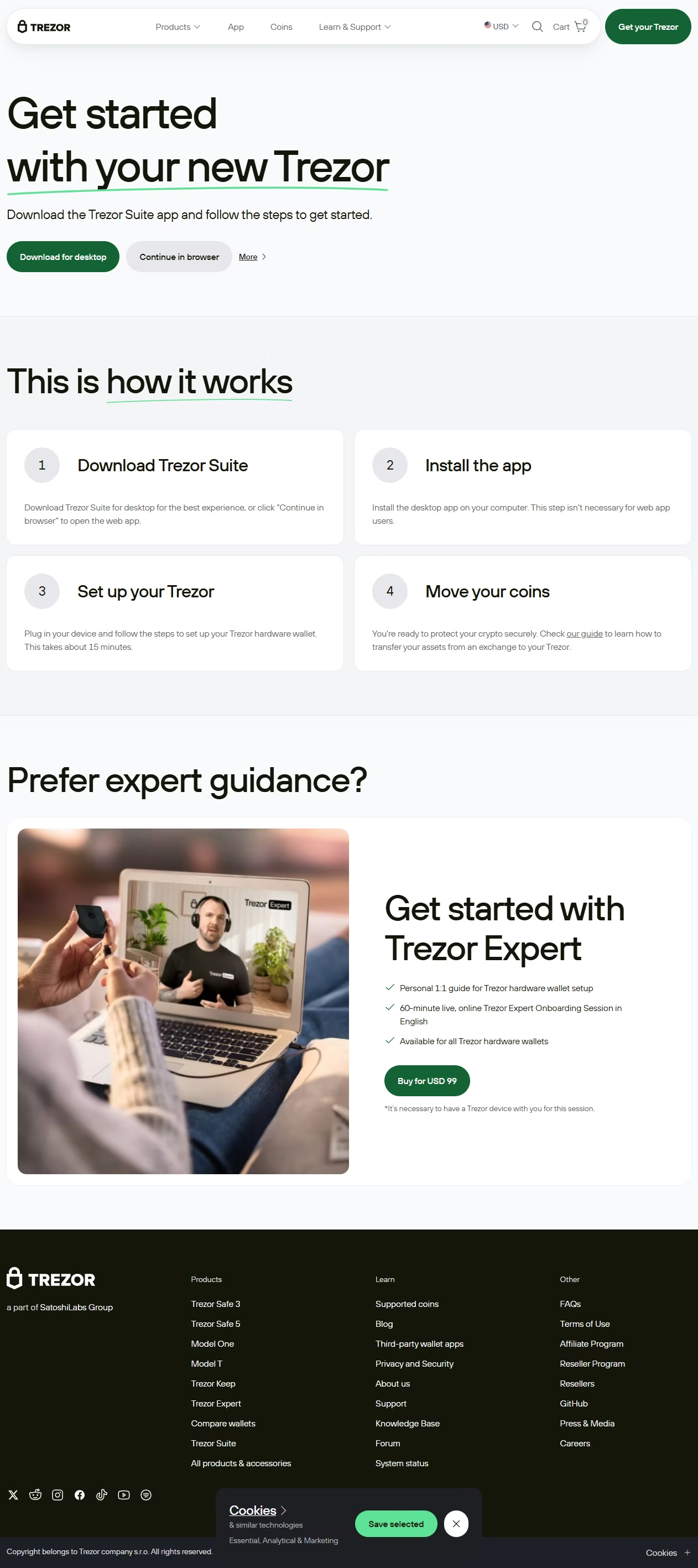
Trezor.io/start is the official starting point for users who are beginning the Trezor setup process. The page guides users toward Trezor Suite and provides the initial steps needed to connect and configure a supported Trezor hardware wallet.
What Is Trezor.io/start?
Trezor.io/start is the official Trezor onboarding page for getting started with a Trezor hardware wallet. It provides a straightforward path from opening a new device to installing the required software and completing wallet initialization.
The setup page directs users to download Trezor Suite, with the desktop application recommended for the best experience. Users can also continue through the web version when appropriate. After opening Trezor Suite, the application guides users through connecting and setting up their Trezor device.
Because hardware-wallet setup involves sensitive security information, users should always verify that they are visiting the genuine Trezor website before downloading software or following setup instructions.
Understanding the Trezor Hardware Wallet
A Trezor hardware wallet provides a dedicated environment for managing the credentials used to authorize cryptocurrency transactions. Instead of depending entirely on a computer or phone, the physical device becomes an important part of the transaction approval process.
Trezor Suite works together with the hardware wallet rather than simply replacing it. The application provides the interface for viewing accounts and managing supported assets, while important device operations require interaction with the Trezor itself.
This separation can help users maintain stronger control over their wallet environment.
Preparing for Trezor Wallet Setup
Before beginning the process at Trezor.io/start, it is useful to prepare everything needed for a smooth setup. Have your Trezor device, the appropriate USB cable when required, a compatible computer or mobile device, and the wallet backup materials supplied with your device available.
Set aside enough time to complete the process without distractions. Wallet backups are particularly important, so avoid rushing through instructions or attempting setup in an unfamiliar environment.
For supported devices, Trezor's current guides generally describe the setup process as taking around 15 minutes.
Downloading Trezor Suite
One of the first important steps at Trezor.io/start is obtaining Trezor Suite. The official desktop application is available for supported Windows, macOS, and Linux systems. Trezor also provides a web version for users who prefer browser-based access.
Always obtain Trezor Suite through official Trezor sources. Fake wallet applications and phishing websites can imitate legitimate cryptocurrency software and may attempt to obtain sensitive information.
After downloading the application, install it and open Trezor Suite to continue with the onboarding process.
Connecting and Setting Up Your Trezor
Once Trezor Suite is running, connect your hardware wallet using the appropriate connection method for your device. The software should guide you through the next stages of setup.
Depending on the device and its current state, Trezor Suite may guide you through device verification, firmware installation, wallet creation, and backup procedures.
Follow the instructions shown by the application and confirm important actions directly on the Trezor device when prompted. Current Trezor setup guides describe this connected-device workflow for several Trezor models.
Creating or Recovering a Wallet
During setup, users may be given the choice to create a new wallet or recover an existing wallet.
Creating a new wallet establishes a new wallet environment and generates a wallet backup according to the device's supported backup system. Recovering a wallet is intended for users who already have an appropriate wallet backup and need to restore access.
This distinction is important because creating a new wallet and recovering an existing wallet are different processes. Choose the option that accurately reflects your situation.
Protecting Your Wallet Backup
The wallet backup is one of the most important parts of hardware-wallet security. Trezor's current documentation refers to the backup as the information needed to recover the wallet, and newer devices may use different backup formats depending on the model.
Write the backup down carefully and keep it private. Never upload it to cloud storage, save it as a computer document, send it through email, or share it through a messaging service.
Most importantly, legitimate support representatives should not need you to disclose your wallet backup. Anyone who obtains the backup may potentially gain the ability to restore the wallet elsewhere.
Setting Up Device Security
After the wallet has been created or restored, Trezor Suite can guide you through additional device-security steps. These may include creating a PIN or configuring other available security options depending on the specific Trezor model.
Security settings should be chosen carefully rather than copied from someone else's configuration. The goal is to create a setup that protects the physical device while keeping the backup information securely stored.
Users should also become familiar with confirming important actions directly on the hardware wallet.
Using Trezor Suite After Setup
After initialization is complete, Trezor Suite becomes the primary interface for many everyday wallet activities. Users can manage supported cryptocurrency accounts, monitor balances, receive assets, and prepare transactions.
Trezor's official documentation describes Suite as a multifunctional platform for Trezor devices, with desktop support for Windows, macOS, and Linux as well as a browser-based option.
The software can therefore become an important part of a regular cryptocurrency management routine while the Trezor device remains central to secure transaction authorization.
Avoiding Fake Trezor Websites
One of the biggest risks during hardware-wallet setup is downloading software from an imitation website. Search results, advertisements, social media posts, and unsolicited messages can sometimes lead users toward fraudulent pages.
Before entering any sensitive information or downloading wallet software, carefully verify the website address. Trezor specifically warns users about phishing sites that can appear in search results and recommends downloading Trezor Suite from official sources.
Never enter your wallet backup into a random website simply because it claims to provide account recovery or technical support.
Keeping Your Trezor Environment Updated
Wallet security is not limited to the first setup. Firmware, Trezor Suite, and the operating system on your computer should be maintained according to official guidance.
When an update is offered, verify that it comes from a legitimate Trezor source. Avoid downloading unofficial modified applications or firmware files.
Trezor provides dedicated documentation for downloading, verifying, and updating Suite and device software, making official resources the safest reference point for maintenance.
Common Trezor Setup Mistakes
New users can make avoidable mistakes when setting up a hardware wallet. Common problems include downloading software from an unofficial website, rushing through the backup process, losing the written wallet backup, sharing sensitive information with another person, or failing to verify transaction details on the device.
Another common mistake is assuming that a hardware wallet removes the need for careful user behavior. Hardware security is only one part of a broader security routine.
Taking time to understand each step can make the setup process much safer and easier to manage.
Building Better Trezor Security Habits
A secure Trezor setup should become the beginning of good cryptocurrency habits rather than the end of them. Keep the physical device protected, store the wallet backup securely, use only trusted Trezor software, and remain cautious when receiving unexpected messages about your wallet.
When sending cryptocurrency, carefully review the destination and transaction details before confirming the operation. Avoid approving transactions that you do not understand.
These simple habits can reduce the risk of phishing, accidental transfers, and unauthorized access.
Final Thoughts
Trezor.io/start provides a convenient starting point for users setting up a Trezor hardware wallet. From downloading Trezor Suite to connecting the device, creating a wallet, and protecting the wallet backup, each stage contributes to a safer self-custody experience.
The most important principle is to slow down during security-sensitive steps. Use official Trezor resources, protect your wallet backup, verify software before installing it, and confirm important actions directly through your hardware wallet.
With the right setup and consistent security habits, Trezor Suite and a Trezor hardware wallet can provide a structured way to manage cryptocurrency while maintaining greater control over wallet access.
Updated about 5 hours ago